Personal development - Public seminars / Seminars for individuals (Region Tessin):
1 Provider



Immediately to the right training
Rebbergstrasse 3
5621 ZUFIKON
 Strengths:
Coué Switzerland teaches Émile Coué’s proven method of conscious autosuggestion in a way that is easy to understand, practical, and suitable for everyday use—from personal application to qualified instruction


Schools with certified educational counseling

Questions and answers
How can I improve my personal skills?
You can specifically improve your self-management skills by examining your own strengths, behavioral patterns, and personal goals. It’s crucial that you apply what you’ve learned in your daily life and regularly reflect on your behavior.
The following approaches, for example, can help you with this:
- Self-reflection: Think about what you do well, how you respond to challenges, and where you'd like to grow.
- Goal-Setting: Set specific, realistic goals and regularly review your progress.
- Personal Responsibility: Make conscious decisions and take responsibility for your actions.
- Dealing with Stress: Learn to assess your resources and remain capable of taking action even in difficult situations.
A course or seminar on self-competence can help you learn about appropriate methods and apply them in practice. This will allow you to systematically develop your self-competence and use the skills you’ve gained in both your professional and personal life.
What is the difference between self-competence, self-management, and self-leadership?
Self-competence is the overarching term for the ability to be self-aware, act independently, and manage one’s own behavior. Self-management and self-leadership are closely related to this concept but have different focuses.
- Personal Competence: This includes, for example, self-reflection, personal responsibility, self-confidence, motivation, and decision-making skills.
- Self-management: This is primarily about organizing tasks, time, goals, and personal resources in a sensible way.
- Self-management: You consciously guide your behavior, set priorities, make decisions, and align your actions with your goals and values.
These three areas overlap and complement one another. Depending on your personal development goals, a course in self-competence, self-management, or self-leadership may therefore be a good fit. Compare the respective course content so you can choose a continuing education, further training program that suits your needs.
How do I find the right personal development course?
The right self-development course depends on which personal or professional skills you specifically want to strengthen. So first, think about the situations in which you’d like to act with more confidence, independence, or awareness.
The following questions will help you make your choice:
- What is your goal? Do you want to boost your self-confidence, get better organized, increase your motivation, or handle stress more effectively?
- What topics are covered? Check to see if the course covers topics such as self-reflection, self-management, resilience, or personal goal-setting.
- How is learning facilitated? Look for hands-on exercises, self-reflection, coaching, group work, or opportunities to interact with other participants.
- What level of continuing education is right for you? Depending on your goals, a short seminar may be enough, or a more comprehensive program of further training might be a better fit.
- Who teaches the course? Find out about the instructors’ professional qualifications and practical experience.
A good personal development course should teach specific methods that you can apply to your everyday life. Therefore, don't just compare the course titles; focus especially on the learning objectives, content, and teaching methods offered by the providers.
What are some examples of self-competence in everyday work life?
In your day-to-day work, self-competence is demonstrated by how you take responsibility for handling your tasks, making decisions, and overcoming personal challenges. It helps you work in a goal-oriented and reliable manner, even without constant guidance.
Typical examples of personal competence in the workplace include:
- Self-organization: You plan your tasks independently and meet deadlines.
- Personal Responsibility: You stand by your decisions and take responsibility for the results.
- Independence: You recognize what needs to be done and take action without constant supervision.
- Self-reflection: You accept feedback and learn from your mistakes.
- Self-motivation: You remain committed even when faced with challenging tasks and pursue your goals.
- Resilience: You can deal constructively with time pressure, changes, and setbacks.
These skills are useful in virtually all professional fields. Through continuing education in self-management, you can work specifically on these behaviors and strengthen your ability to take action in your day-to-day work.
Is there a recognized certification for self-competence?
In Switzerland, there is no standardized federal vocational certification for self-competence. The programs vary depending on the educational provider, subject matter, and training objective. They often take the form of seminars, courses, or continuing education, further training programs that lead to an in-house certificate or a certificate of participation.
So when making your selection, you should take a close look:
- Course Certificate: It typically serves as proof of attendance at the seminar.
- Institute or Association Certificate: It certifies successful completion in accordance with the requirements of the respective provider or association.
- Continuing Education at Universities: A CAS or other university degree requires that a university offer such a program and is not equivalent to just any course certificate.
A certificate is not automatically recognized at the federal level. The key factors are who issues the certificate, what requirements are associated with it, and what skills you actually acquire. If you want to use continuing education, further training, in personal development for professional purposes, you should therefore examine the specific certificate and its relevance to your field of work.
How can companies foster their employees' self-efficacy?
Companies can strengthen their employees’ personal competencies through targeted continuing education, further training, and a supportive work culture. This benefits not only individual employees but also teamwork and the ability to complete tasks independently.
Possible measures to support employees include:
- Seminars and courses: Employees learn to improve their self-organization, personal responsibility, and self-reflection.
- Coaching and Mentoring: One-on-one sessions support personal development goals and help individuals recognize their own potential.
- Feedback and Performance Reviews: Regular feedback promotes self-awareness and conscious professional development.
- Tasks Requiring Personal Responsibility: Employees are given the opportunity to make decisions and take on responsibility.
- Learning and Development Opportunities: Targeted continuing education programs help employees build their personal skills over the long term.
Continuing education in self-management skills can be conducted as an open seminar for individual employees or as a company-specific in-house program. Companies should tailor the content to the specific needs of their employees and their roles.

 Error found? -

Experiences, evaluations and opinions on training / further education
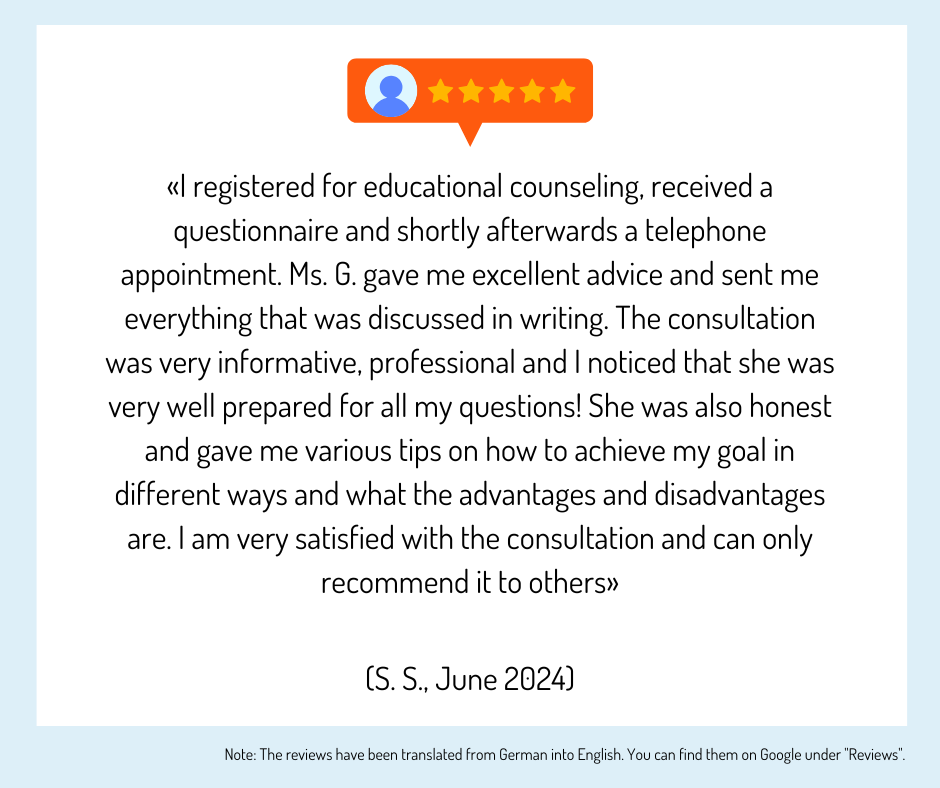
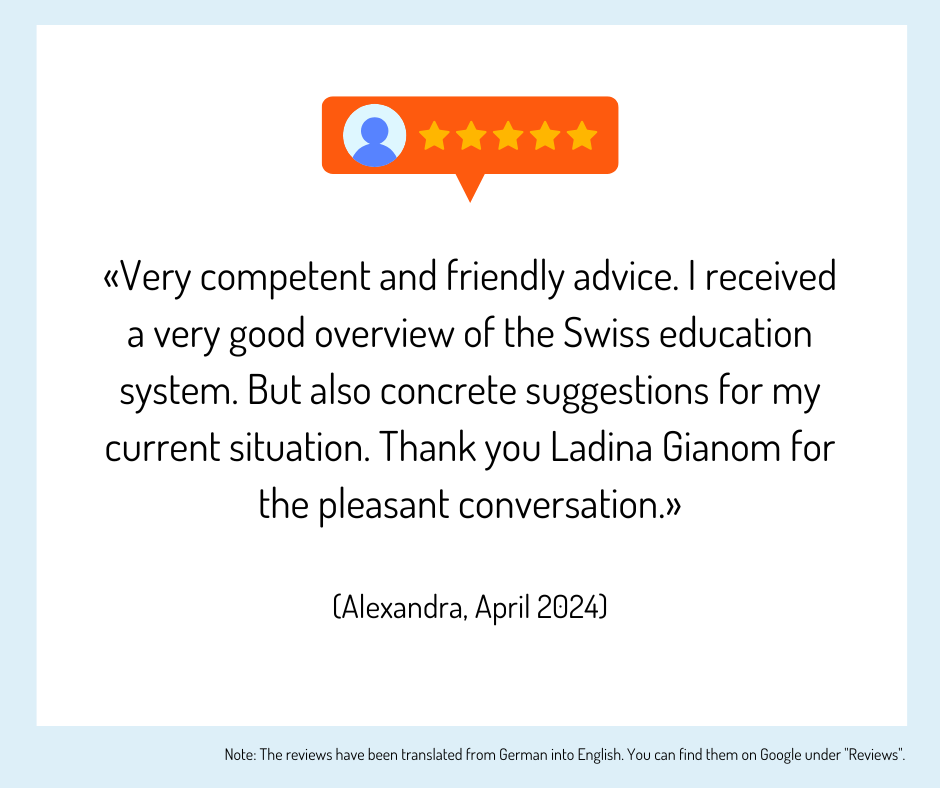
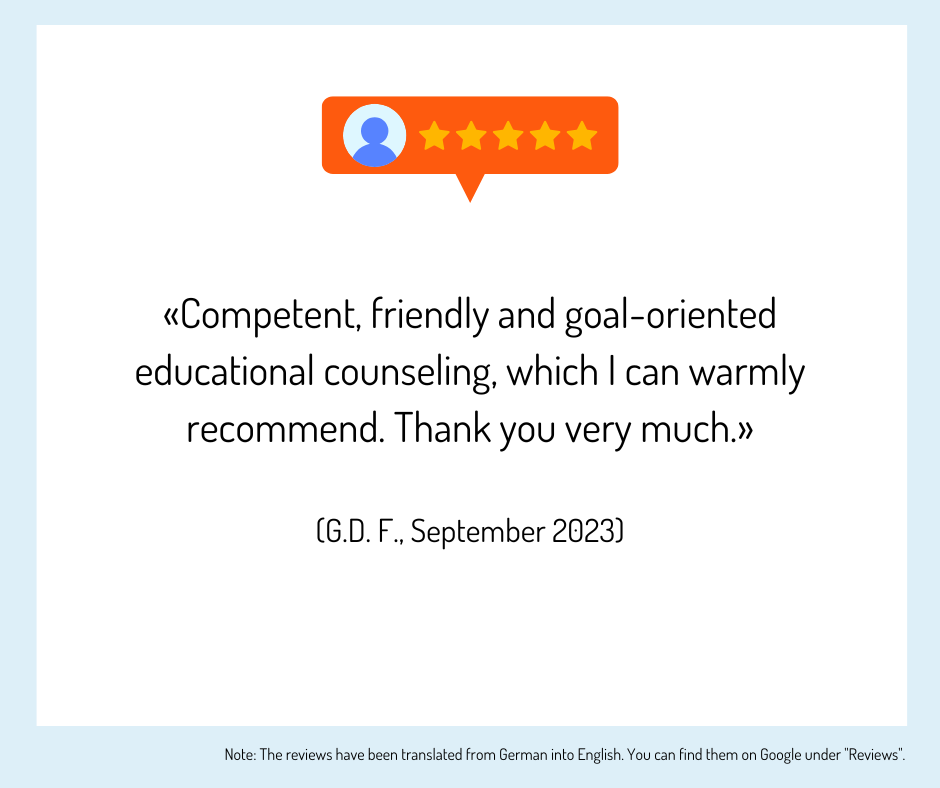
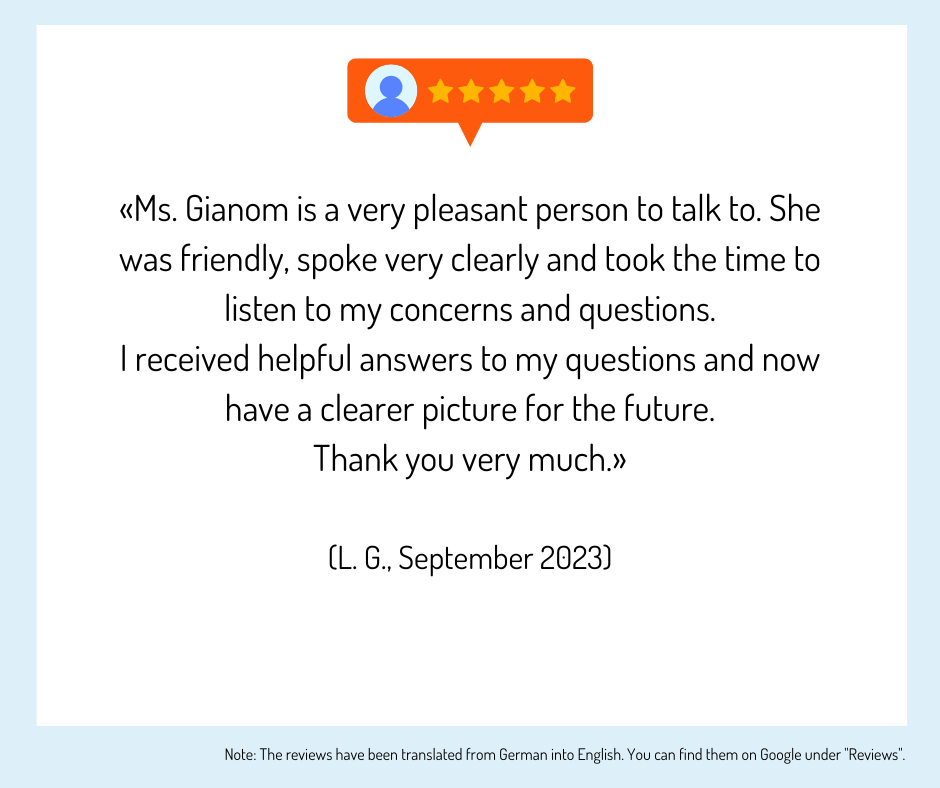
Haven't found the right training or further education yet? Benefit from educational advice now!
Further training is not only important in order to maintain or increase professional attractiveness, investing in training or further training is still the most efficient way to increase the chances of a pay rise.
The Swiss education system offers a wide range of individual training and further education opportunities - depending on your personal level of education, professional experience and educational goals.
Choosing the right educational offer is not easy for many prospective students.
Which training and further education is the right one for my path?
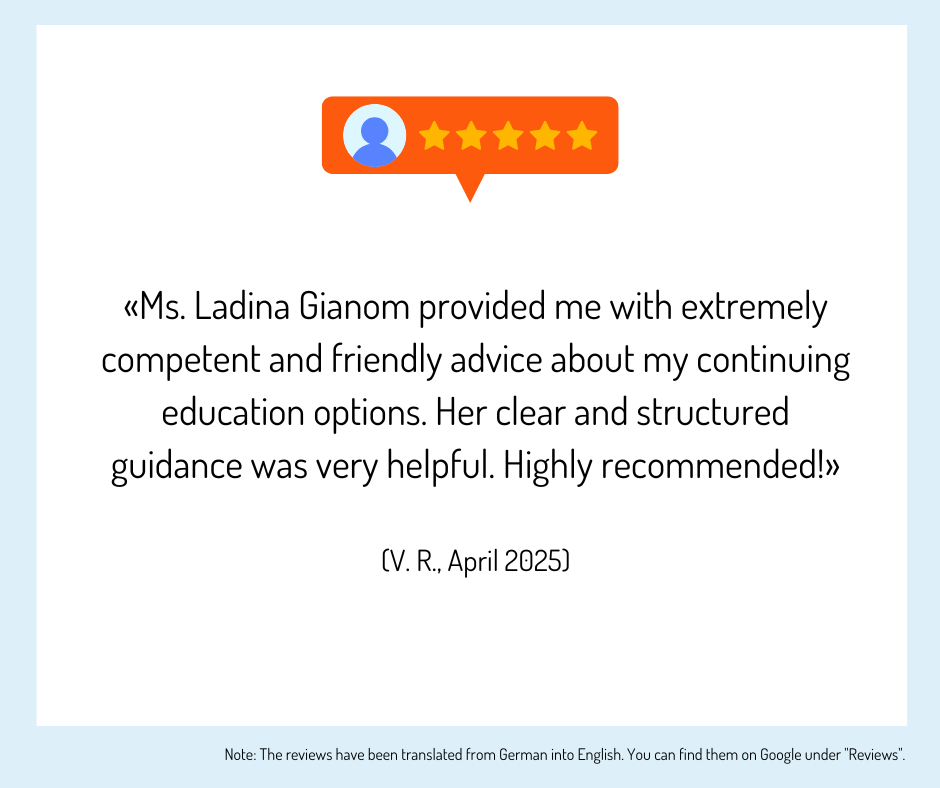
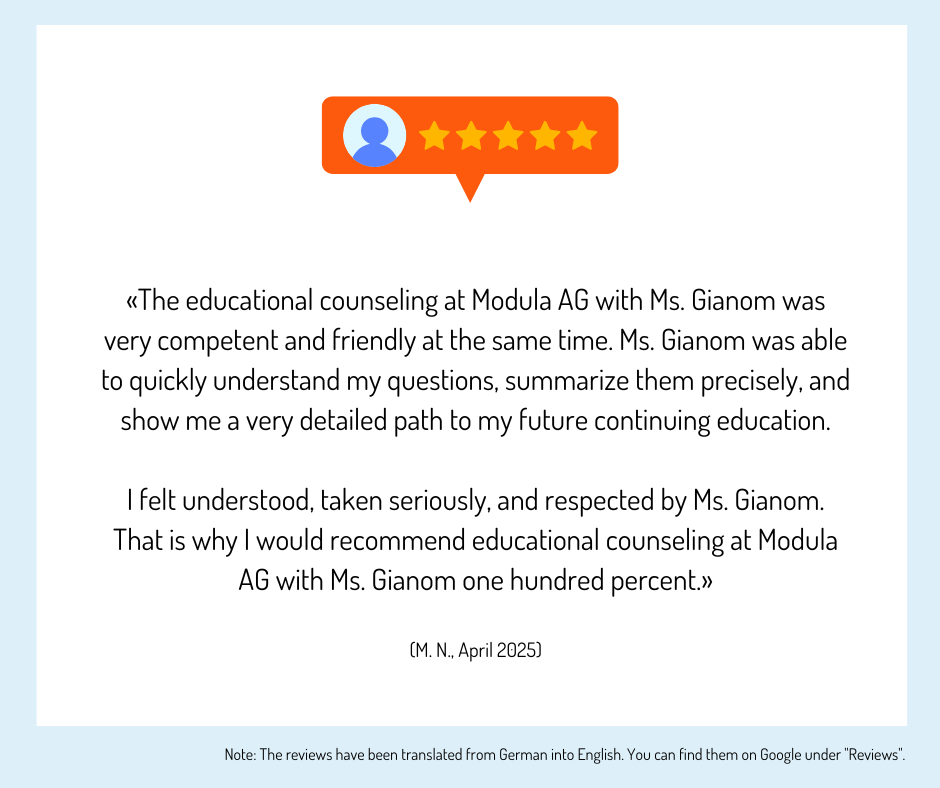
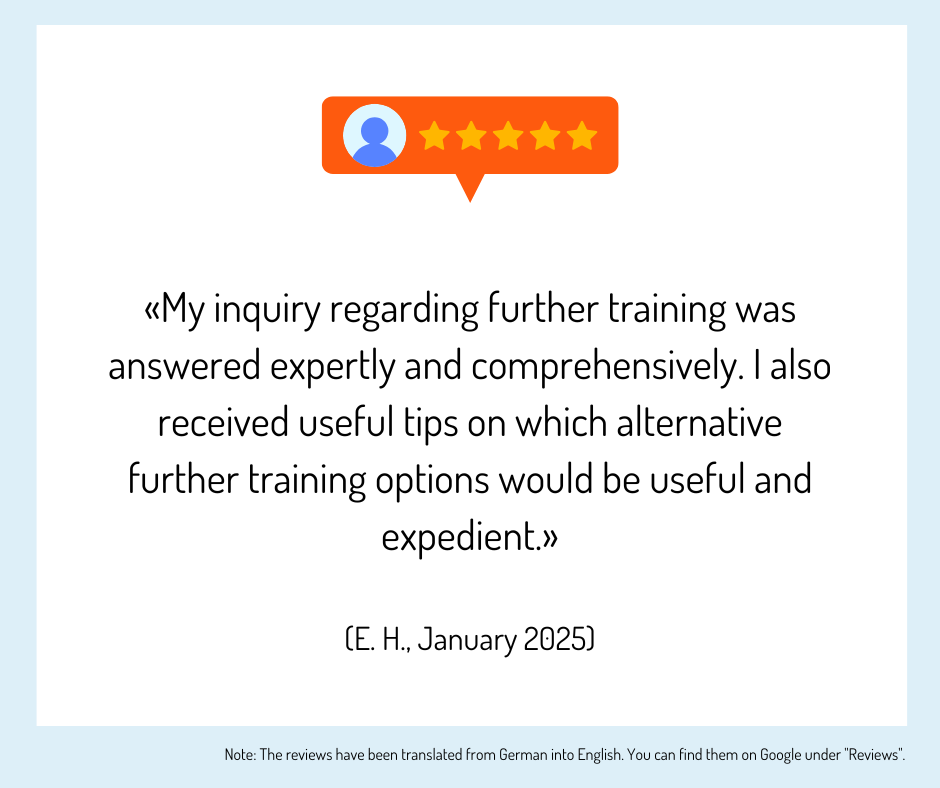
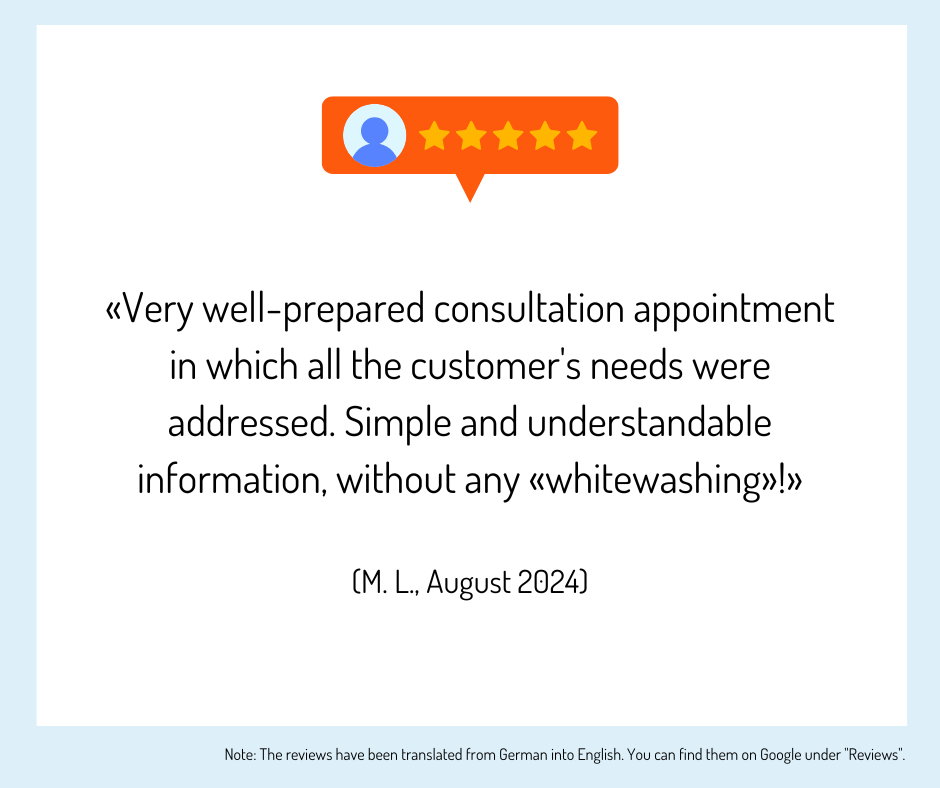
Our education advisory team will guide you through the "education jungle", providing specific input and relevant background information to help you choose the right offer.
Your advantages:
You will receive
- Suggestions for suitable courses, seminars or training programs based on the information you provide in the questionnaire
- An overview of the different levels and types of education
- Information about the Swiss education system
We offer our educational counseling in the following languages on request: French, Italian, English
Register now and concretize your training plans.
Attraktive Services für SKO Mitglieder
Kostenlose Services
» Bildungsberatung (Wert: CHF 150.–)
Bildungs- und Businessratgeber (Wert: CHF 175.–)
» Rabatte
Attraktive Rabattierungen seitens der Bildungsanbieter.
Massgeschneiderte Bildungsangebote
Ohne grossen Zeitaufwand den besten Trainer, Coach oder Schulungsanbieter finden
Bildungsangebot Schweiz
Aus über 700 Bildungsanbietern das richtige Bildungsangebot finden

