Learn to sing: providers, schools, information, frequently asked questions



Learning to sing: it's not just talent!
Questions and answers
How long should you practise singing?
Ideally, you should practise for at least 30 minutes a day. You should initially concentrate on basic breathing and vocal exercises. Only gradually can you expand your repertoire. When singing, it is important to perform the exercises with concentration and full attention.
Why learn to sing?
Singing is the gateway to the soul. Whether you sing yourself or listen to others sing: singing triggers emotions and it has even been scientifically proven that singing can increase your well-being. So it's high time to take the time to "learn to sing".
Learning to sing overtones - what techniques are there?
The following techniques are available for "learning to sing overtones":
- Basic technique
The basic technique of European overtone singing makes use of the fact that different vowels (a, i, e, o, u) are formed acoustically by different overtone combinations. - First amplification technique "L-technique"
For the L technique, you sing a long L and - while the tongue remains in the L position - form an öööh, which you slowly change into an oooh (and back again). - Second amplification technique "Gong technique"
With the gong technique, you simply sing several "gongs" in a row and then swap the vowels in the gong, i.e.: Gong Gung Göng Ging Gang Gäng. Then you connect the gongs to form a continuous gong, e.g. Gongingüngöngangängung.
When should I start singing lessons?
You can start singing lessons at any age - even at 70. Ideally, you should not be younger than 10 - 12 years old, depending on your level of mental and physical development.
Learning to sing as an adult - how does it work?
Learning to sing as an adult is also possible through self-study. You can teach yourself to sing if you are prepared to go down this path. Absolute beginners already benefit enormously from regular singing and a five-minute warm-up. This is a good introduction to singing.
Learning to sing for beginners: How do beginners learn to sing?
One of the most basic singing exercises for beginners is singing scales. This will help you to improve your sense of tone and adapt your voice to different pitches. Practice singing scales regularly to strengthen and train your singing voice. "Learning to sing beginner" means singing a little higher or lower every day to expand your vocal range.
For whom are singing lessons worthwhile?
Singing lessons are worthwhile for anyone who enjoys music and singing and are not exclusively aimed at people who want to pursue a career as a musician. Singing lessons are also worthwhile for people who often speak in front of people, e.g. teachers, actors, speakers, etc.
How is learning to sing made easy?
Learning to sing is made easy with the following tips:
- Use the right breathing technique to support your breathing when singing
- Take vocal hygiene and voice care seriously - including vocal rest
- Use singing exercises for beginners such as scales, scales and to expand the vocal range
- Using advanced vocal exercises for dynamics, expression, articulation and diction
- Learning different singing styles and repertoire work
- Techniques for improving the voice in old age such as breathing exercises, vocal exercises or extending the vocal range
- Work with a singing teacher, group singing or choir work
- Regular practice and a lot of patience
Can you learn to sing with any voice?
Singing lessons are primarily about improving voice quality - and this is possible for everyone. So anyone can learn to sing.
Singing course: What vocal ranges are there?
The following voice ranges are available:
- Bass: If you can sing particularly low notes with ease, you have a bass voice. Your vocal range then extends roughly from the notes F to f'. Famous bass singers include Leonard Cohen, Johnny Cash, Barry White and Rammstein singer Till Lindemann.
- Baritone: The baritone voice lies in the middle register, with a range from about g to g'. The baritone can also reach the note b' with the head voice. Famous singers in this voice range include David Bowie, John Mayer, Mick Jagger and Kurt Cobain.
- Tenor: If you have a high voice, you are a tenor. Your vocal range extends roughly from C to A'. Famous tenors include opera stars Jonas Kaufmann and Luciano Pavarotti, as well as singers such as Bryan Adams, Ed Sheeran, Justin Timberlake and Stevie Wonder.
- Countertenor: This is the name given to tenors who can sing female vocal ranges (alto or soprano) with the help of the so-called falsetto or head voice. However, they are very rare and are more likely to be found in classical music. Current examples are the opera singers Andreas Scholl and Philippe Jaroussky.
What do you do in singing lessons?
Singing lessons can be organized in very different ways and depend on the individually defined goal that has been discussed with the singing teacher. The following can be done during a singing lesson:
- Breathing exercises / diaphragm training
- Warm-up exercises
- Posture exercises
- Exercises for vocal technique (vocal range, head voice, belly voice, mixed voice, high and low singing, vocal tone, etc.)
- Learning to sing a song
Can anyone learn to sing?
Can anyone learn to sing without talent? Yes, anyone can learn to sing! Some people are more naturally inclined to sing than others, but ultimately the development of a great singing voice depends on practice, vocal training and the development of a musical ear.
Where can I learn to sing opera?
If you are just a beginner and want to learn to sing opera, you have several options. But before we go into these, let's briefly touch on an important point. Singing is singing. Whether you are singing opera or rock music, you need to understand the basic techniques. There are different ways to start singing opera. Nowadays, most singers find their way via an online singing course, as these are very well structured. They also give a good overview without having to go to a music school. What I recommend to beginners is to focus on how to sing with power and how to sing high notes. Power and high notes are two of the most important ingredients and a good place to start practicing. So learning to sing opera starts with the usual singing techniques.
Learning to sing for beginners - what options are there?
A professional singing teacher can help you to train and improve your singing voice effectively and specifically. They can respond to your individual needs and goals and offer you customized exercises and techniques. Working with a singing teacher can be of great benefit to both beginners and advanced singers. As well as face-to-face singing lessons, there are also numerous online singing courses and resources that can help you train and improve your voice. This allows you to learn and practise at your own pace and from the comfort of your own home. Singing in a choir or singing group can help you to train and improve your singing voice by working with other singers and learning from each other. In addition, making music together can be motivating and inspiring to further develop your own vocal skills.

 Error found? -
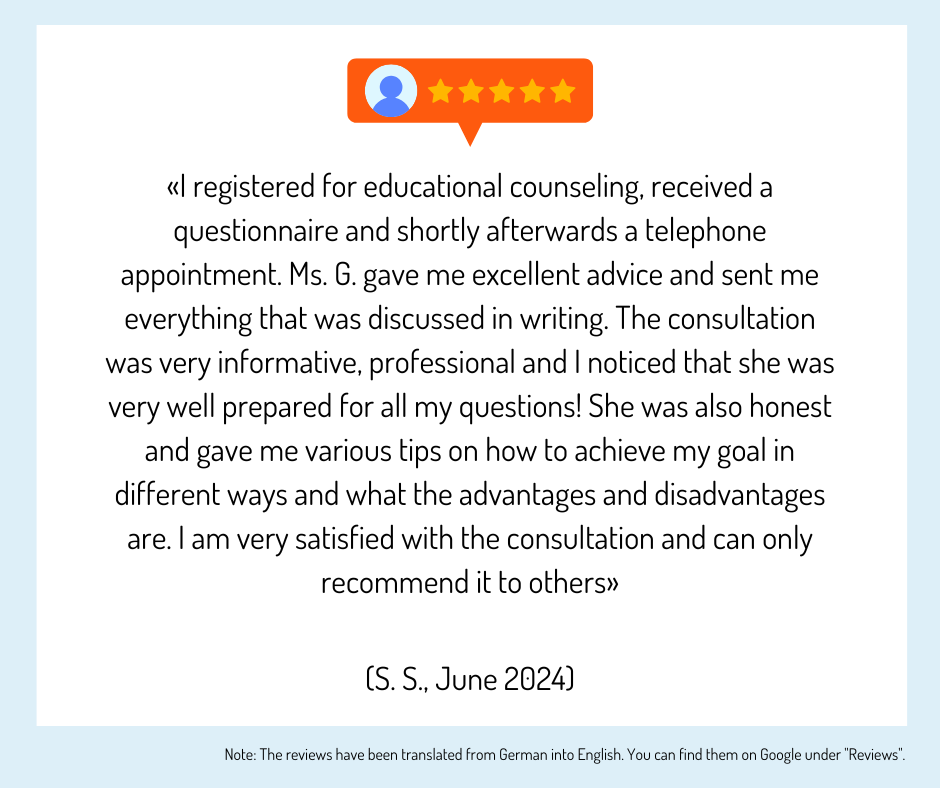
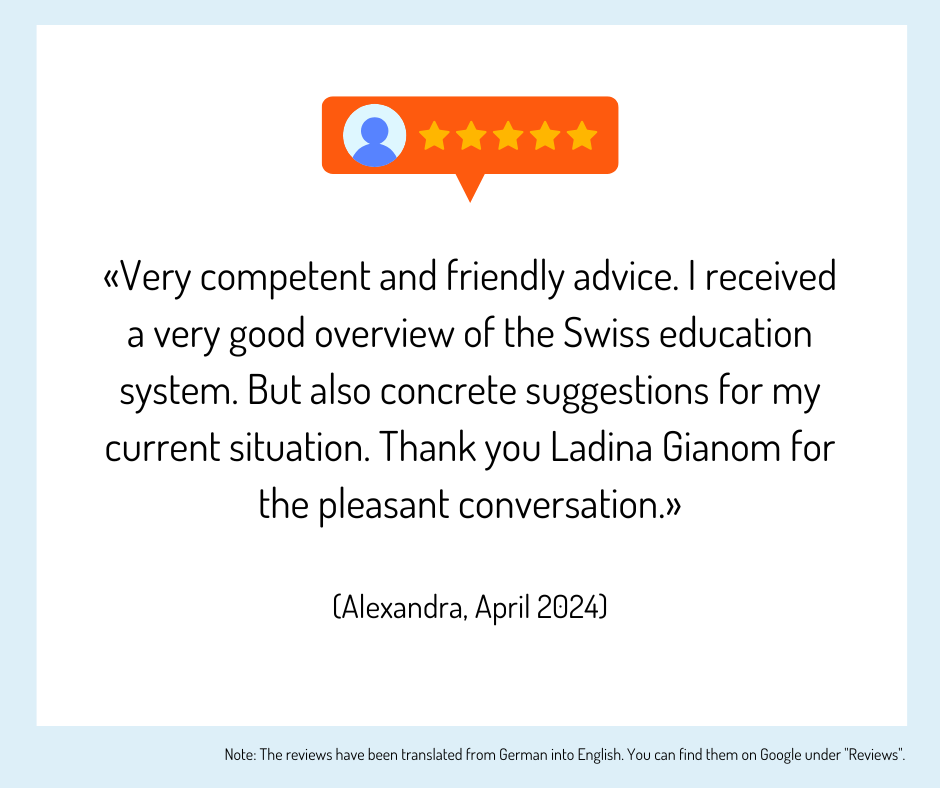
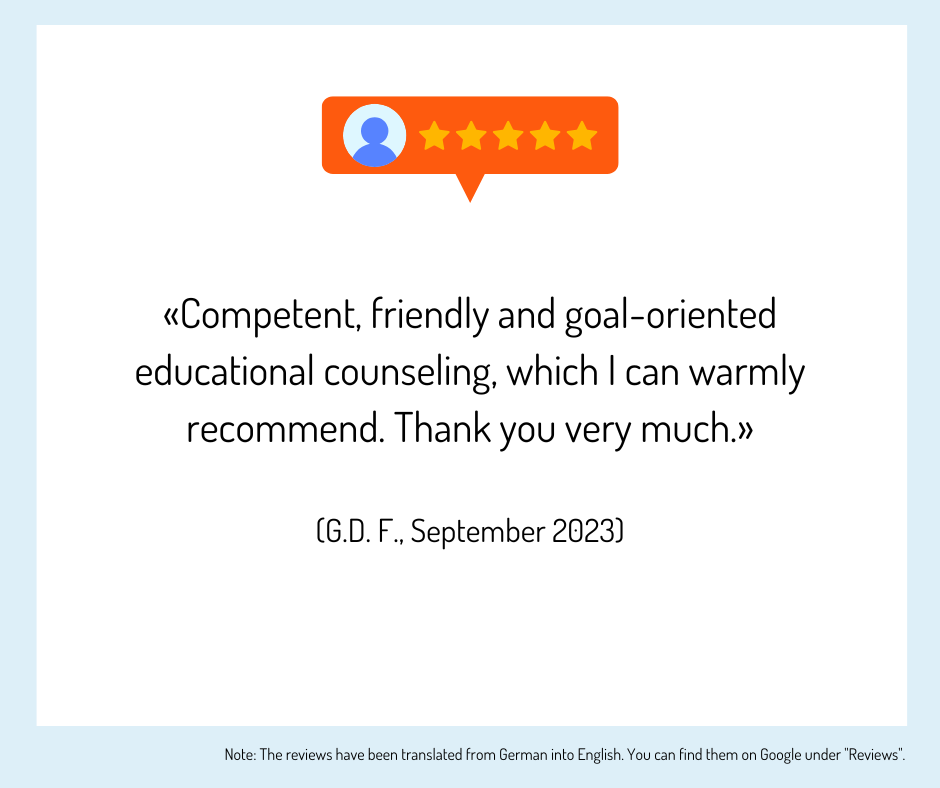
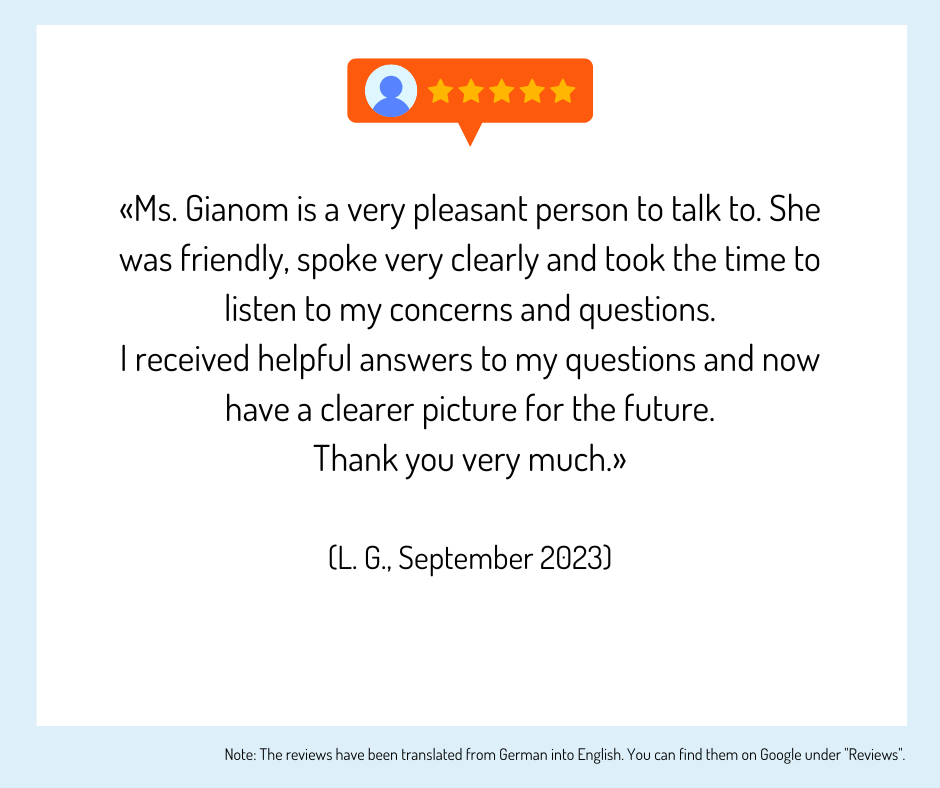
 Experiences, evaluations and opinions on training / further education
Haven't found the right training or further education yet? Benefit from educational advice now!
Further training is not only important in order to maintain or increase professional attractiveness, investing in training or further training is still the most efficient way to increase the chances of a pay rise.
The Swiss education system offers a wide range of individual training and further education opportunities - depending on your personal level of education, professional experience and educational goals.
Choosing the right educational offer is not easy for many prospective students.
Which training and further education is the right one for my path?
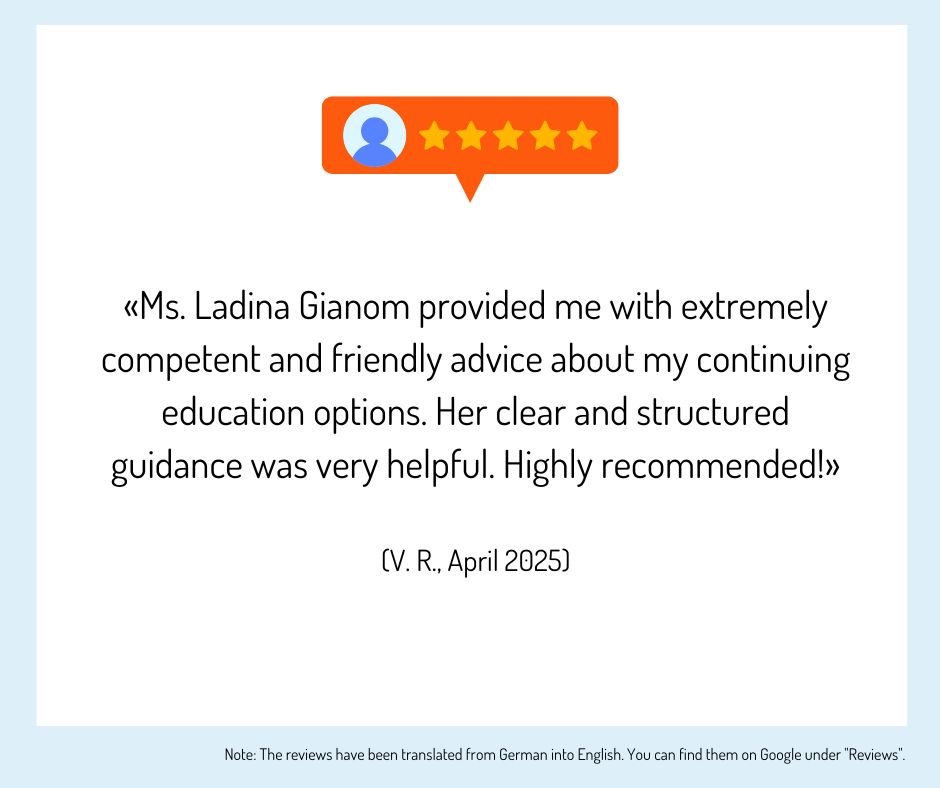
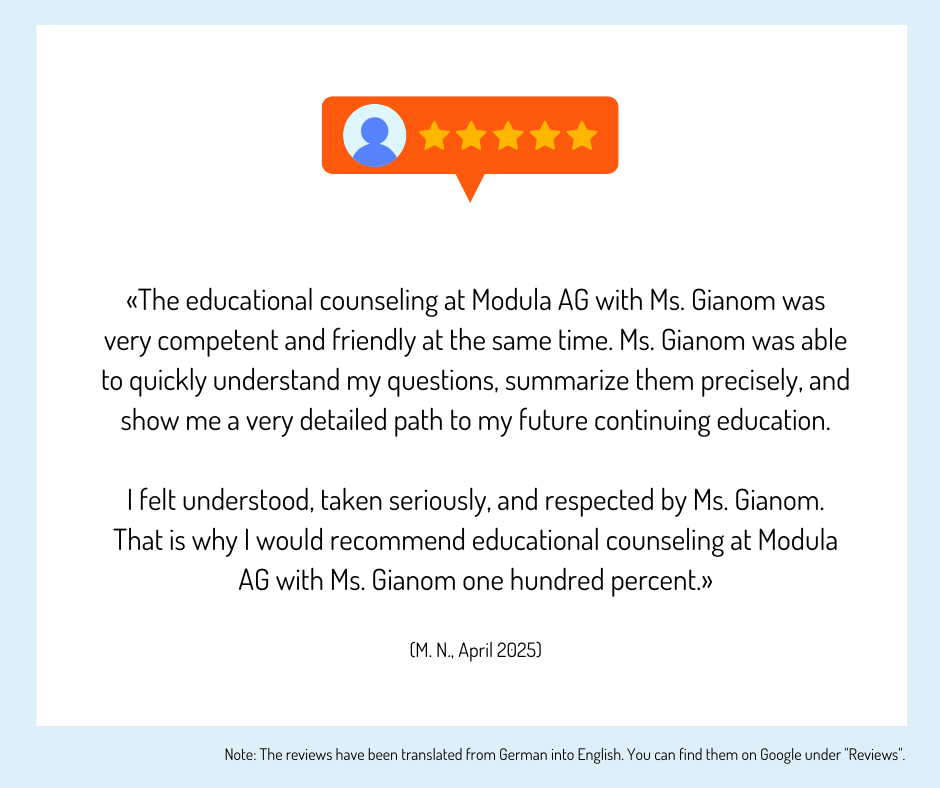
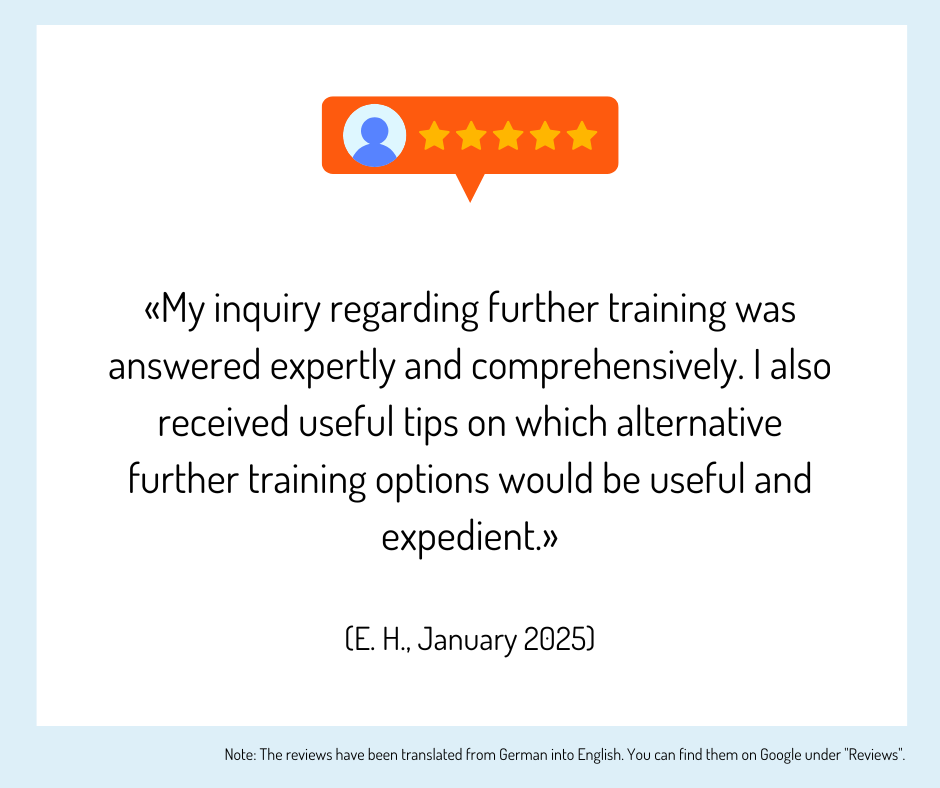
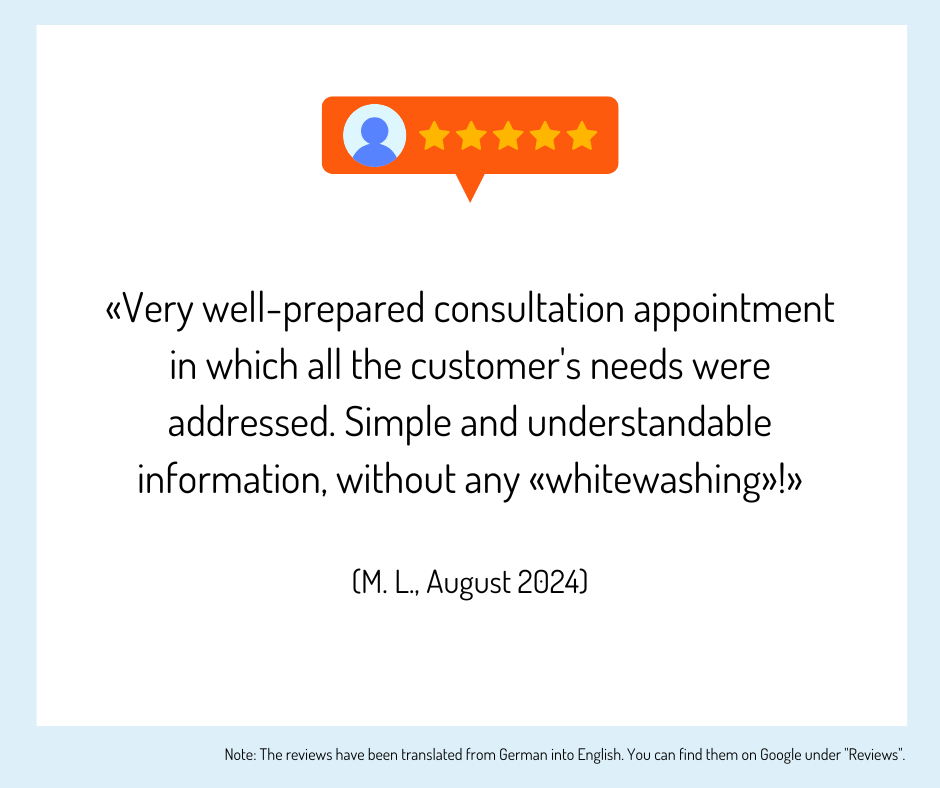
Our education advisory team will guide you through the "education jungle", providing specific input and relevant background information to help you choose the right offer.
Your advantages:
You will receive
- Suggestions for suitable courses, seminars or training programs based on the information you provide in the questionnaire
- An overview of the different levels and types of education
- Information about the Swiss education system
We offer our educational counseling in the following languages on request: French, Italian, English
Register now and concretize your training plans.
Immediately to the right training
Zeughausgasse 22
3011 Bern

 Download info
Schools with certified educational counseling

Attraktive Services für SKO Mitglieder
Kostenlose Services
» Bildungsberatung (Wert: CHF 150.–)
Bildungs- und Businessratgeber (Wert: CHF 175.–)
» Rabatte
Attraktive Rabattierungen seitens der Bildungsanbieter.
Massgeschneiderte Bildungsangebote
Ohne grossen Zeitaufwand den besten Trainer, Coach oder Schulungsanbieter finden
Bildungsangebot Schweiz
Aus über 700 Bildungsanbietern das richtige Bildungsangebot finden