Real Estate Manager (FPE) (formerly Real Estate Manager (FPE)) (St. Gallen):
1 Provider - 1 Training locations



Immediately to the right training
Hohlstrasse 535
8048 Zürich
 Strengths:
Higher vocational education and training with prospects: CHE, postgraduate studies CHE, specialist certificates and micro-courses in business, IT and real estate - practical, career-oriented and supervised by experienced lecturers.
Strengths:
Higher vocational education and training with prospects: CHE, postgraduate studies CHE, specialist certificates and micro-courses in business, IT and real estate - practical, career-oriented and supervised by experienced lecturers.


Schools with certified educational counseling

Sites in the region Eastern Switzerland and St. Gallen:
Education location / Schools St. Gallen
Questions and answers
What other career options are available to me after completing the continuing education program for real estate management?
After completing the real estate management continuing education, further training program, various career paths are open to you. The federal certificate can be used both to deepen your professional expertise and to take the next step toward leadership roles or advanced vocational training.
Possible career opportunities after completing continuing education as a real estate manager include, for example:
- Senior Real Estate Manager
- Property Management Team Leader
- Head of Property Management
- Branch Manager
- Condominium Specialist
- Portfolio Manager
- Asset Manager
- Managing Director of a Real Estate Management Company
Continuing education following the Real Estate Management training program may also be of interest. Depending on your personal circumstances and career goals, options might include advanced degrees in real estate or continuing education in facility management, business administration, or related fields.
A particularly obvious next step within advanced vocational education is continuing education, further training to become a certified real estate trustee with a federal diploma.
Continuing education in real estate management can be an important step toward a long-term career in the real estate industry. Whether you’re pursuing a specialized field, a leadership role, or an advanced federal certification—your next steps depend on your career goals and your prior experience.
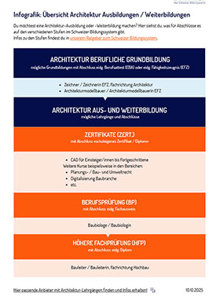
Infographic on Opportunities for Vocational Training or Further Training in Real Estate Management
How long does the continuing education program for real estate managers take?
The duration of the continuing education program for real estate management varies depending on the educational provider and the teaching model. Many preparatory courses for the Federal Professional Examination are designed to be taken while working and last approximately 12 to 18 months.
The duration depends, among other things, on whether the course:
- is completed on a part-time basis or through a more intensive program
- is offered in person, online, or as a combination of the two
- Evening and Saturday classes include
- includes a high proportion of self-directed learning
- takes into account the participants' existing knowledge
In addition to the actual class time, sufficient time must be set aside for independent study and exam preparation. Preparing for the Federal Professional Examination therefore requires significantly more time overall than just the number of class hours listed.
The continuing education, further training program for real estate managers is typically designed to be taken while working and, depending on the provider, lasts several months. When choosing a course, it is therefore worth considering not only the duration but also the class schedule, the learning model, and the amount of self-study required.
What kinds of jobs are available for property managers?
Real estate management jobs are available at various employers in the real estate and finance industries. Depending on the company, portfolio, and professional experience, responsibilities can range from managing individual properties to leading a property management team.
Potential employers include:
- Property Management Companies
- Real estate companies
- Real Estate Trust Company
- Pension funds
- Insurances
- Banks with real estate divisions
- Construction, General, and Turnkey Contractors
- Real estate funds
- Cooperatives
- public administrations
- Facility management companies
- institutional real estate investors and family offices
Job titles also vary depending on the employer. Commonly sought-after positions include, for example, real estate manager, junior real estate manager, senior real estate manager, condominium manager, or property manager.
As you gain more professional experience, leadership and specialist roles may also become options.
Property Management Jobsoffer a wide range of career opportunities within the real estate industry. The opportunities are particularly diverse at property management firms, institutional owners, and companies with their own real estate portfolios.
How challenging is the property management training program?
The real estate management training program is considered challenging because it combines various fields of expertise. In addition to real estate management itself, relevant topics include law, construction engineering, accounting, and human resources management, among others.
The following aspects of the real estate management training program can be particularly challenging:
- the wide range of subject matter
- Legal Issues and Their Application to Specific Cases
- Accounting and Real Estate Accounting
- Technical and Structural Considerations
- the management of rental properties and condominiums
- preparation for the written and oral parts of the exam
- the balance between continuing education, further training, and daily life
Prior knowledge of the real estate industry can make it easier to get started. At the same time, practical work experience is important because much of the course material relates directly to situations encountered in everyday work.
Good study habits, regular self-study, and early exam preparation help you manage the volume of material.
The real estate management training program is challenging, but it can be successfully completed with structured preparation and sufficient study time. It is particularly important to have an interest in real estate, to work diligently, and to be willing to delve deeply into legal, business, and technical topics.
Possible Drawbacks of Continuing Education, Further Training
What is a typical workday like for a property manager?
The day-to-day work of a property manager is varied and combines office work with customer contact, organizational tasks, and property management. Depending on the portfolio and employer, the focus of the job may vary.
Typical daily tasks for a property manager include:
- Supporting tenants and property owners
- Drafting Lease Agreements and Managing Leases
- Organize viewings, apartment inspections, and handovers
- Processing Rent, Utilities, and Statements
- Handling Tenants' Concerns and Complaints
- Coordinate Tradespeople and Building Maintenance
- Organize Repairs, Maintenance, and Renovations
- Requesting Quotes and Awarding Contracts
- Processing Claims and Insurance Cases
- Prepare budgets and property statements
Keep property owners informed about the development of their properties
Prepare for and conduct condominium owners' meetings as required by the position
In this process, predictable tasks such as billing, reporting, and maintenance planning alternate with last-minute issues and problems.
The day-to-day work of a property manager is characterized by organization, responsibility, and a great deal of communication. Anyone who enjoys working independently while also valuing interaction with a variety of people will find this a diverse field of work.
What can I achieve with a professional certification in real estate management?
With a professional certification in real estate management, you’ll be qualified for more challenging and independent roles in the real estate industry. This certification validates your expertise in the professional management of real estate and can open up new career opportunities for you.
With the Real Estate Manager certification, you can, for example:
- Independently Manage Rental Properties and Condominiums
- manage one's own real estate portfolio
- take on challenging roles in property management
- Providing expert advice to property owners
- lead smaller management teams
- Take on responsibility for maintenance and renovation projects
- qualify for senior or management positions
- Expand your career opportunities at real estate companies, pension funds, insurance companies, or banks
Depending on your professional experience and personal development, you may subsequently be eligible for positions such as senior property manager, team leader, or head of property management.
The professional certification also provides a solid foundation for further qualifications, such as becoming a certified real estate trustee.
Conclusion
The Real Estate Manager Certification is a recognized credential for professionals in the real estate industry. It can facilitate access to more responsible roles, leadership positions, and advanced continuing education, further training opportunities.
Real Estate Management: Which subjects are tested on the FPE Real Estate Manager vocational qualification exam?
The FPE Real Estate Management certification covers various exam areas that assess the specialized knowledge required for professional real estate management. In addition to legal and construction knowledge, real estate management and personnel management play a particularly important role.
The key areas of the exam include:
- Property Management: including rental properties, condominiums, leasing, lease agreements, maintenance, accounting, and reporting
- Law: Relevant Legal Principles for the Real Estate Industry
- Construction Knowledge: Fundamentals of Construction, Building Maintenance, Renovation, and Remediation
- Human Resources Management: Leading Employees and Self-Management
The Federal Professional Examination consists of written and oral components. Property management, in particular, is assessed through both written and oral examinations.
The specific exam content and the current exam structure are subject to change due to amendments to the exam regulations or guidelines. Therefore, exam candidates should always refer to the most current official exam materials.
The FPE Real Estate Management exam covers a broad range of subjects, including real estate management, law, construction engineering, and human resources management. The combination of these various exam areas demonstrates that the Swiss Federal Certificate prepares candidates to take on challenging and independent responsibilities in real estate management.
What are the requirements for a property manager position?
The requirements for a property manager position are diverse, as properties must be managed professionally, economically, and in compliance with the law. In addition to appropriate training and professional experience, employers often expect strong organizational and communication skills.
Job postings specifically list the following requirements:
- Basic business training or comparable prior education
- Continuing Education Program for Real Estate Managers Leading to a Federal Diploma of Higher Education
- Work experience in real estate management
- A solid understanding of tenancy law and other relevant areas of law
- Business acumen and understanding of business management
- Knowledge of real estate accounting and reporting
- Proficiency in MS Office and general computer skills
- Stylistically sound German, both spoken and written
- strong communication and negotiation skills
- an independent, organized, and reliable work style
- Customer and service orientation
- Assertiveness and resilience
- Organizational skills and flexibility
Depending on the employer, additional knowledge of construction, foreign language skills, or a driver's license may be required.
A property management job involves both professional and interpersonal requirements. It is particularly important to combine knowledge of real estate, organizational skills, communication skills, and the ability to interact confidently with tenants, owners, and service providers.
What skills will I acquire during the further training program to become a real estate manager?
The continuing education, further training program for real estate property managers provides comprehensive skills for the independent and professional management of real estate. The program combines legal, business, technical, and organizational knowledge.
After completing the further training program, real estate managers will be able to, among other things:
- Independently Manage Rental Properties and Condominiums
- Drafting Lease Agreements and Professionally Managing Tenancies
- Manage Rent and Utilities
- Maintain property accounts and prepare reports
- Processing Reminder and Collection Procedures
- Organizing Maintenance and Renovation Work
- Conduct condition assessments and develop maintenance strategies
- Coordinate tradespeople and external service providers
- Providing expert advice to property owners
- Process Insurance Claims and Incidents
- Providing Expert Support to Tenants
- lead a small operations team
- Take into account legal requirements in real estate management
The continuing education, further training program for real estate managers provides a broad range of skills that goes well beyond the mere management of rental properties. Graduates combine expertise in real estate management, law, accounting, technology, and human resources management, enabling them to take on challenging management responsibilities.
What are the responsibilities of a property manager?
A property manager’s job involves the independent management and administration of residential and commercial properties. Property managers serve as points of contact for owners, tenants, contractors, building maintenance staff, and other stakeholders. In doing so, they combine business, legal, and technical responsibilities.
Typical responsibilities in a property management position include:
- Rent out rental properties and organize re-leases
- Drafting Lease Agreements and Managing Tenancies
- Conduct handovers and inspections of residential and commercial properties
- Processing Rent, Utilities, and Statements
- Coordinate Dunning and Collection Procedures
- Manage property accounting and reporting
- Organize maintenance, renovation, and restoration work
- Hire and coordinate tradespeople and outside service providers
- Advise property owners and keep them regularly informed
- Managing Condominium Ownership and Joint Ownership
- Take the necessary steps in the event of insurance claims and incidents
- lead a small management team, depending on the role
The role of a property manager is multifaceted and combines administration, law, technology, accounting, and customer service. Anyone who enjoys organizing, taking on responsibility, and coordinating with various stakeholders will find property management to be a varied and rewarding field of work.
More about experiences with the continuing education program for real estate managers
Who is the continuing education program for real estate management particularly suited for?
The continuing education program for real estate managers is particularly well-suited for professionals who have already gained experience in the real estate industry and would like to take on more responsibility in the future. This certification is especially valuable if you want to do more than just handle the administrative side of real estate—you want to manage properties independently and comprehensively.
This continuing education program is particularly well-suited for people who:
- already work in property management
- Manage rental properties or condominiums
- would like to manage their own real estate portfolio in the future
- want to take on more responsibility toward property owners
- be interested in real estate law, accounting, and construction engineering
- enjoy organizing, coordinating, and negotiating
- Enjoy interacting with tenants, property owners, and service providers
- aspire to a leadership role in the real estate industry
- would like to enhance their career path to date by earning a Swiss Federal Certificate of Competence
Individuals with a business or other relevant educational background may also pursue this continuing education, further training program, provided they meet the requirements for the Federal Professional Examination. The required educational background and professional experience are particularly important.
The continuing education, further training program for real estate managers is particularly well-suited for people who enjoy working independently, taking on responsibility, and interacting with a wide variety of people. For those who see their professional future in the real estate industry and wish to further their professional development, the Federal Certificate is a well-established qualification.
Who is eligible for the real estate management continuing education, further training program leading to the Federal Diploma of Higher Education?
For real estate managers pursuing continuing education, further training leading to the federal professional certificate, mandatory admission requirements apply. In particular, prior education and documented professional experience in the real estate industry are key factors.
In general, candidates who have completed one of the following educational programs are eligible to take the Federal Professional Examination:
- at least three years of basic vocational education and training
- Maturity certificate
- Trade diploma recognized by the federal government
- Completion of a College of Higher Education
- Federal Certificate of Competence
- Federal Diploma
- College Degree
- an equivalent form of identification
In addition, a minimum of three years of full-time work experience in a real estate profession is generally required after completion of the training program.
Those who do not have any of the aforementioned educational qualifications may also be admitted under certain conditions. This generally requires five years of full-time professional experience in a real estate-related field, at least two of which must have been completed in Switzerland or the Principality of Liechtenstein.
In addition, there must be no criminal record that would preclude participation in the examination. Final admission is subject to the currently applicable examination regulations and the requirements of the relevant examination board.
Conclusion
The real estate management continuing education, further training program is specifically designed for individuals who already have the appropriate educational background and professional experience in the real estate industry. Anyone wishing to take the Federal Professional Examination should review the individual admission requirements well in advance based on the current examination regulations.
How much does a property manager earn?
A property manager's salary depends on various factors. These include, in particular, professional experience, education, region, employer, the size of the portfolio under management, as well as the specific role and level of managerial responsibility.
The Swiss Federal Vocational Certificate can also have an impact on career advancement and, consequently, on long-term income. However, obtaining the certificate does not guarantee a specific pay raise.
Key factors that influence wages are:
- Work experience in real estate management
- Federal Certificate of Competence
- Additional professional training and continuing education, further training
- Size and Complexity of the Real Estate Portfolio
- Leadership Responsibilities
- Region and Place of Work
- Size and Type of Employer
- Specialization, for example, in condominium ownership
- additional knowledge of law, accounting, or technology
For a personalized estimate, we recommend using an up-to-date salary calculator, as wages and statistical data are constantly changing.
TheProperty Manager, Lohncannot be determined by a single number. Those who combine professional experience, a federal vocational certificate, and additional responsibilities can enhance their career development opportunities and, consequently, their earning potential.
How much does the continuing education program for real estate managers cost?
The cost of continuing education, further training for real estate managers depends on the educational provider, the teaching model, and the scope of the program. In addition to course fees, there may be expenses for course materials, exam fees, and other services.
When planning your budget, you should therefore take the following costs into account:
- Training and course fees (approx. CHF 6,000 to 12,000)
- Teaching Materials and Learning Resources
- any registration or administrative fees
- Exam fee for the Federal Professional Examination (currently CHF 2,700)
- additional costs for exam preparation or review courses, if applicable
An important financial benefit is federal subject-specific funding. For preparatory courses for federal examinations, up to 50 percent of the eligible course costs may generally be reimbursed. Payment is made in accordance with the applicable requirements and the relevant procedure.
Since course and exam fees are subject to change, you should always refer to the most recent information provided by the educational institution and the relevant examination board when planning your budget.
The cost of the real estate management continuing education, further training program consists of several components. In addition to the course fee, you should especially budget for course materials and exam fees, and check how much you are eligible to receive in federal grants.
Tips, tests and information on "Real estate manager with Federal Diploma of Higher Education"


 Error found? -
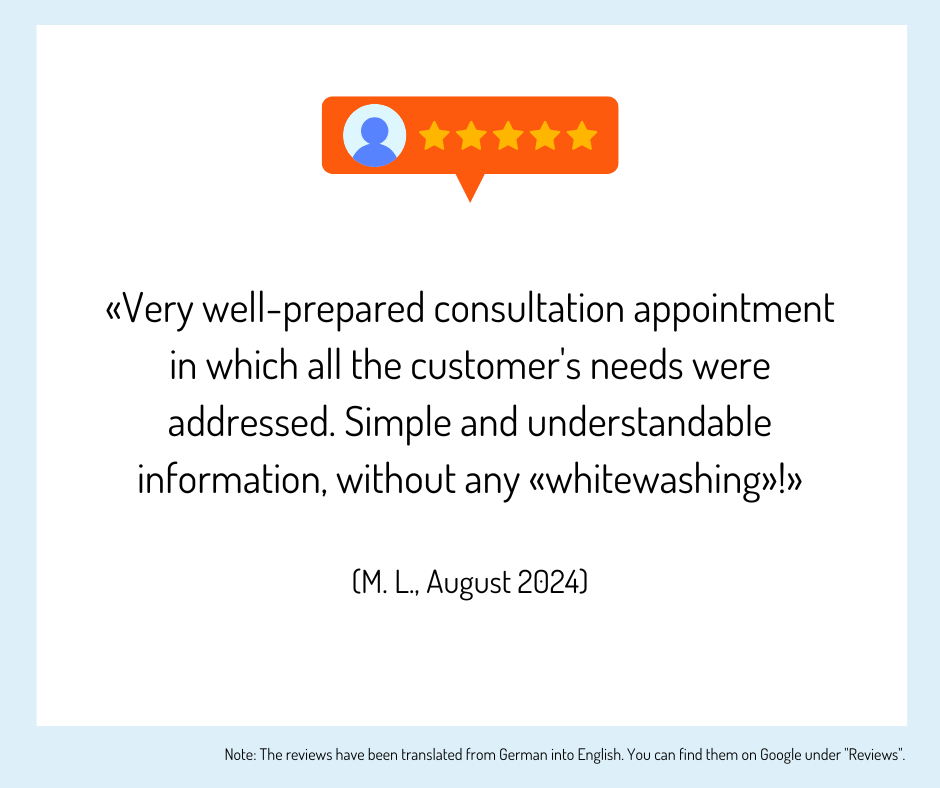
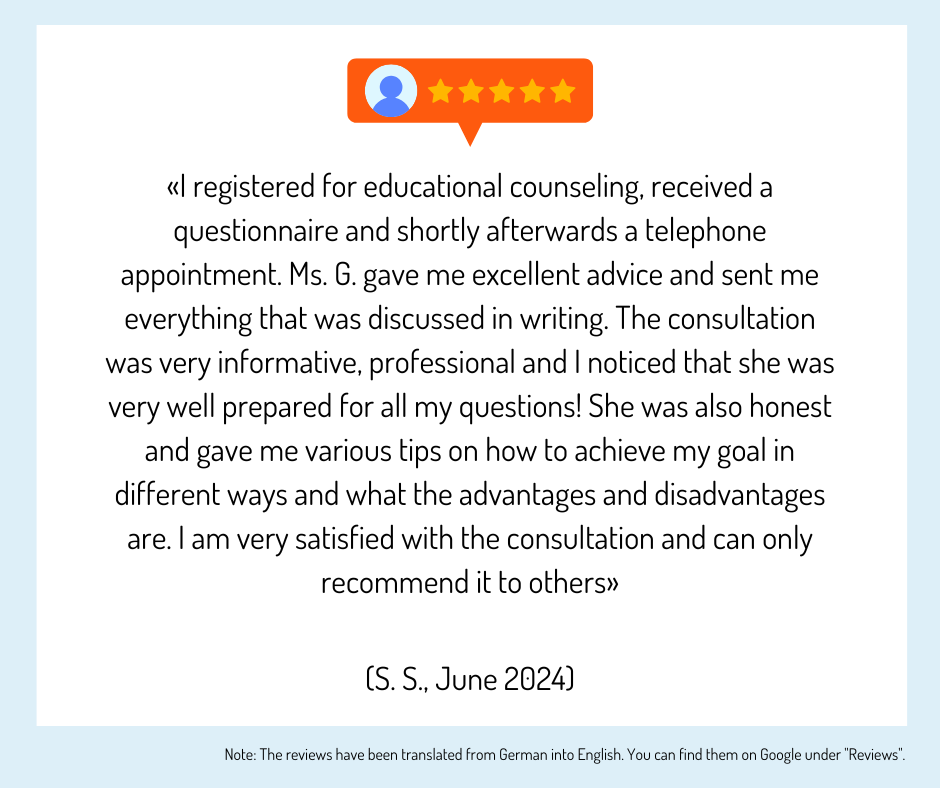
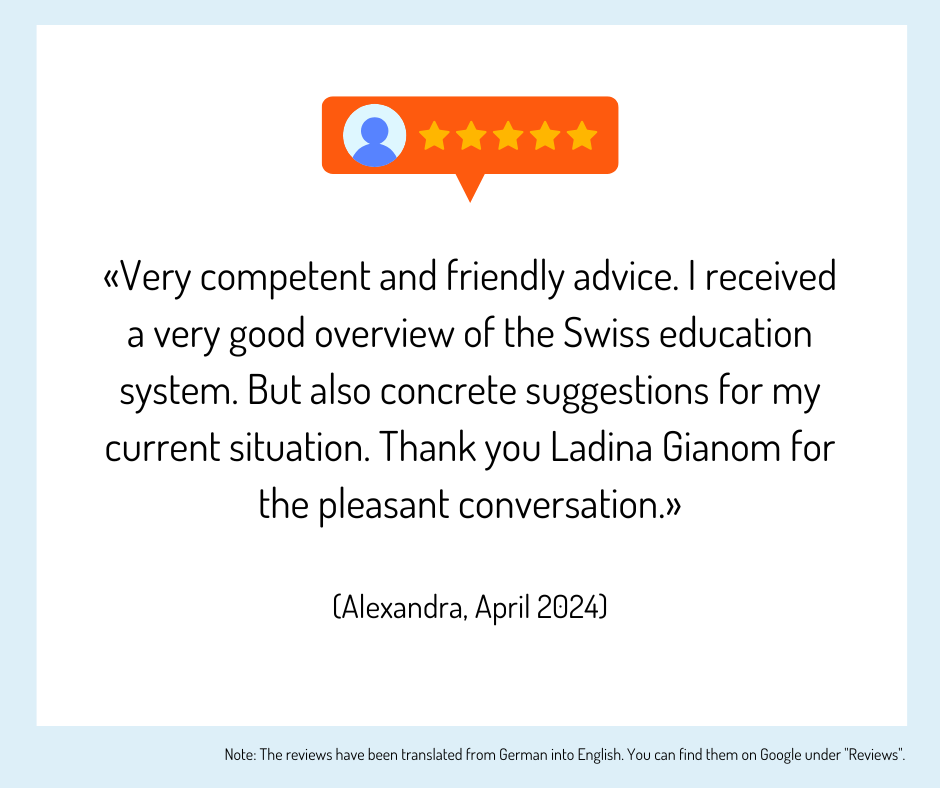
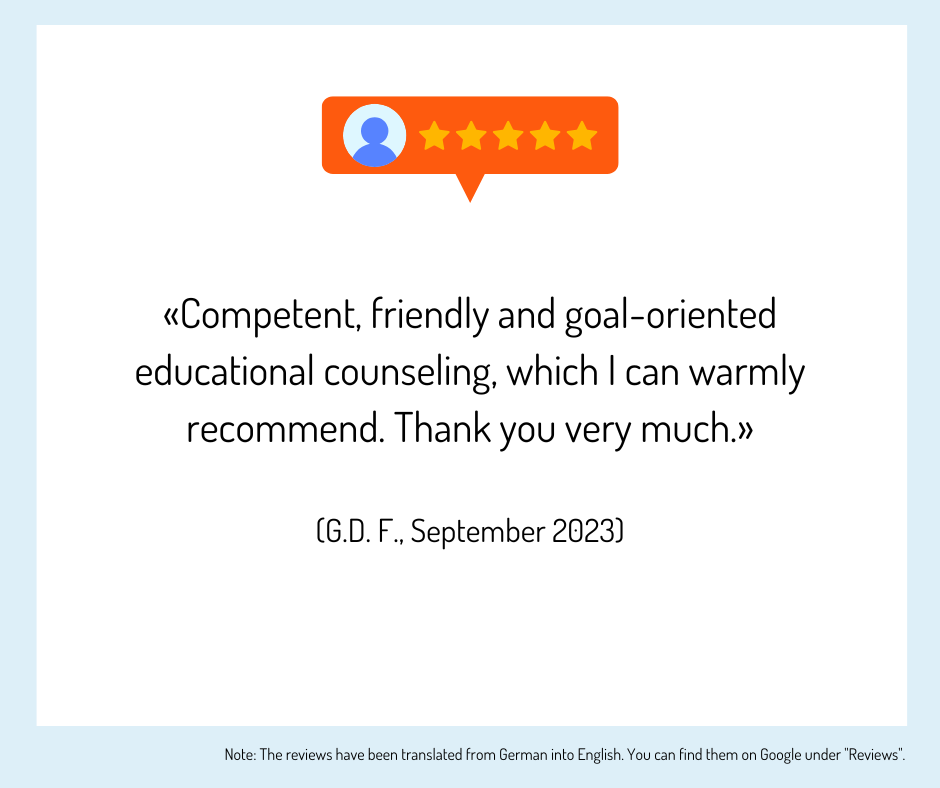
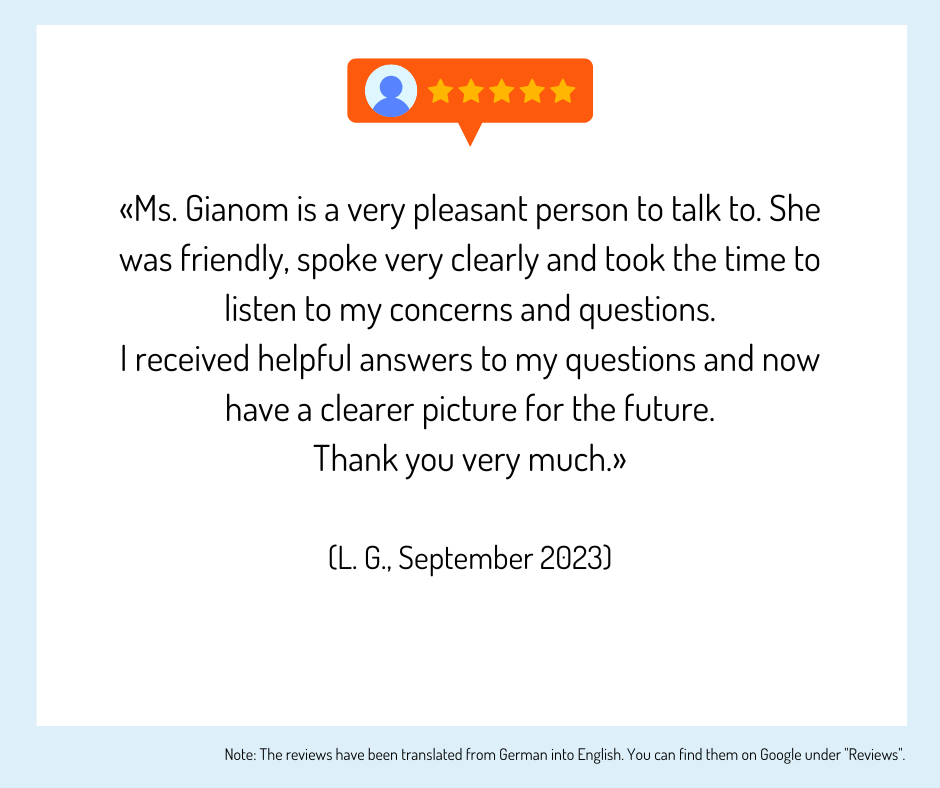
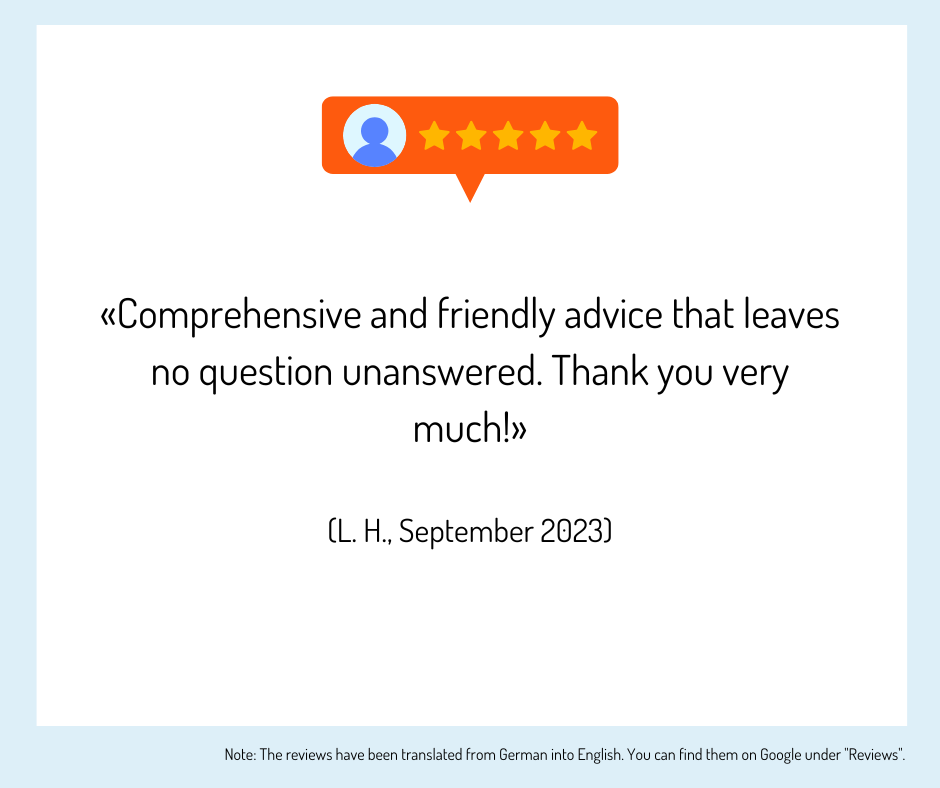
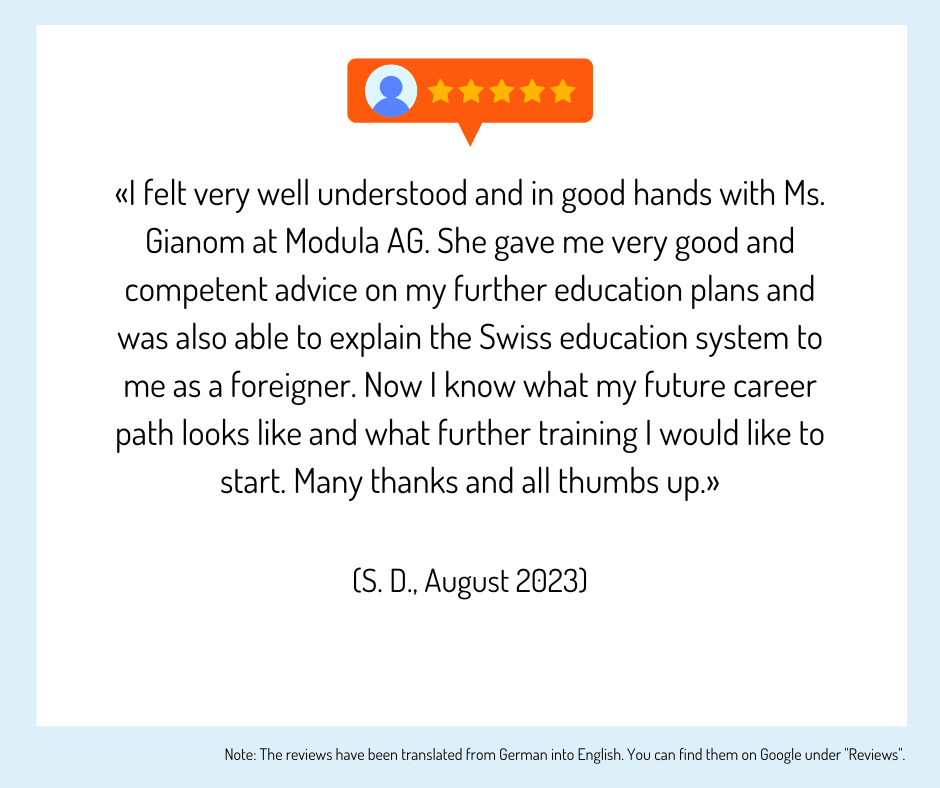
Experiences, evaluations and opinions on training / further education
Haven't found the right training or further education yet? Benefit from educational advice now!
Further training is not only important in order to maintain or increase professional attractiveness, investing in training or further training is still the most efficient way to increase the chances of a pay rise.
The Swiss education system offers a wide range of individual training and further education opportunities - depending on your personal level of education, professional experience and educational goals.
Choosing the right educational offer is not easy for many prospective students.
Which training and further education is the right one for my path?
Our education advisory team will guide you through the "education jungle", providing specific input and relevant background information to help you choose the right offer.
Your advantages:
You will receive
- Suggestions for suitable courses, seminars or training programs based on the information you provide in the questionnaire
- An overview of the different levels and types of education
- Information about the Swiss education system
We offer our educational counseling in the following languages on request: French, Italian, English
Register now and concretize your training plans.
Attraktive Services für SKO Mitglieder
Kostenlose Services
» Bildungsberatung (Wert: CHF 150.–)
Bildungs- und Businessratgeber (Wert: CHF 175.–)
» Rabatte
Attraktive Rabattierungen seitens der Bildungsanbieter.
Massgeschneiderte Bildungsangebote
Ohne grossen Zeitaufwand den besten Trainer, Coach oder Schulungsanbieter finden
Bildungsangebot Schweiz
Aus über 700 Bildungsanbietern das richtige Bildungsangebot finden