Self-test: Is the "Phyototherapist training (phytotherapy / herbal medicine) (cert.)" the right one for me?

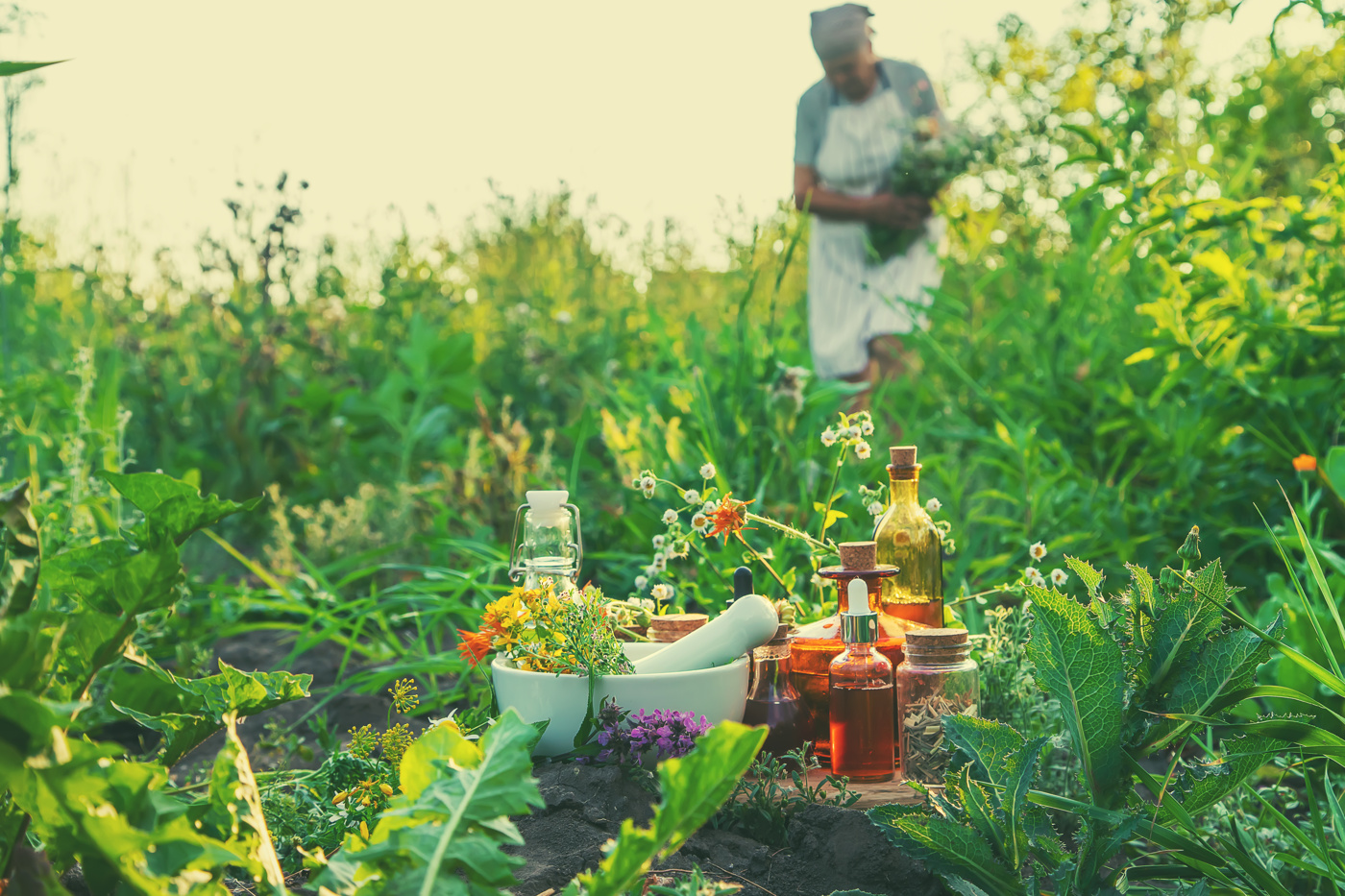
One person has collected medicinal (healing) herbs.

Does working as a phytotherapist (certified) meet your expectations and needs? Take the free and non-binding self-test now and find out whether you are on the right path with a course in phytotherapy.

Start

Phytotherapist: What does your day-to-day work look like?

Phytotherapists often work in a paramedical profession or have a naturopathic training within which they apply herbal medicine.

During the first consultation, they gain an overview of the client's situation, record the health complaints and then carry out an examination using their individual methods. Depending on the medical specialty, this may include a tongue and pulse diagnosis, a comprehensive blood count, palpation, listening or observation of breathing and voice. He/she uses this to develop an idea of possible clinical pictures or functional disorders and draws up a treatment plan. Herbal active ingredients can be used or administered in a wide variety of forms for treatment: as teas or tablets, in oils and ointments, as compresses and pads. The herbal active ingredients are often supplemented by further measures and recommendations - such as advice on diet, exercise therapy or psychological counseling.

Question 1:

Do the activities described meet your expectations? Would you like to work as a phytotherapist?

Target group and skills: Who is the phytotherapist training course suitable for? What qualities and skills are required?

The following target groups are addressed with training in phytotherapy / herbal medicine:

  • People who are interested in herbal medicine and would like to use it for themselves and their immediate environment
  • Persons who would like to become self-employed in the field of health counseling
  • People with basic medical qualifications, naturopaths or complementary therapists who wish to continue their education, further training

To be successful as a phytotherapist, you need the following qualities:

  • Affinity for herbal active ingredients and healing methods
  • Interest in medical and psychological issues
  • Enjoy working in an advisory capacity
  • Sense of responsibility
  • If you have your own practice: economic skills to run your own business

Question 2:

Do you belong to one of the target groups for this continuing education, further training and do you have the necessary personal qualities?

Requirements for admission to phytotherapist training (cert.):

As a rule, phytotherapy / herbal medicine training is open to all interested persons. No specific previous training or professional experience is required.

Some schools require this for admission:

  • Age of majority
  • Apprenticeship qualification with Federal Diploma of Vocational Education and Training (VET Diploma)
  • Several years of professional experience
  • good knowledge of German

In addition:

  • Some courses require knowledge of the basics of conventional medicine (in others, this is part of the training)

Question 3:

Do you meet the requirements for admission?

Subject matter and content of continuing education, further training

The subject matter of a phytotherapist training course is determined independently by the schools and can therefore vary. The following topics are often covered:

  • Basics of phytotherapy / herbal medicine (origin, history and development)
  • Life cycle, metabolism, growth and structure of plants
  • Medicinal plants according to disease (cardiovascular, respiratory, gastrointestinal, thyroid, nervous system, skin diseases, etc.)
  • Principles, concepts, possible applications, effect and purpose of the treatment
  • Structure of a consultation / treatment (anamnesis, diagnostics, communication)
  • Processing techniques (teas, tablets, oils, ointments, wraps, compresses, etc.)
  • Indicators, contraindicators and limits of treatment
  • botanical excursions

Note: Courses that also cover the "Medical Basics" (as a prerequisite for admission to the ASCA and/or EMR register) usually deal with these in a separate module.

Question 4:

Are you interested in this content, would you like to acquire knowledge in these subject areas?

Costs of continuing education, further training

How much a phytotherapist training course costs is determined independently by the schools; the costs vary accordingly.

You can expect the following costs:

  • Specialist phytotherapy training:between CHF 4,800 and CHF 16,000, usually including an examination fee.
  • Introductory coursesandThematic in-depth courseslasting a few days: between CHF 300 and CHF 1,500.

Some providers requireExtra costsfor training materials etc. Ask the provider of your choice directly about possible extra costs.

Question 5:

Are you able to finance the course?

Duration of studies, training options, teaching format

Training courses in phytotherapy arepart-timeand are usually carried out in theClassroom teaching.Some schools offer individual theory course components in the form of online lessons. Depending on the course, lessons take place at weekends, in blocks, one or two days a week all day or in the evening and on some Saturdays.

TheDurationThe duration of phytotherapy training courses varies greatly, depending on the provider and the course content, and can range from a few days to three years.

If you plan to use yourphytotherapeutic treatments can later be billed via health insurance companiesyou must ensure that you complete a training course with sufficient teaching hours to enable you to be entered in the relevant registers ASCA (Swiss Foundation for Complementary Medicine) and EMR (Empirical Medicine Register).

Registration with the ASCA:

  • Training "medical basics" at least 450 hrs.
  • phytotherapeutic specialist training of at least 300 hours.

Registration with the EMR(only possible for qualified naturopaths, alternative practitioners of Tibetan medicine and doctors):

  • phytotherapeutic specialist training of at least 500 hours.
Question 6:

Can you find the time for the lessons?

Degree, diploma and title

Those who have successfully passed all modules of the phytotherapist training course are admitted to the final examination.

A written and oral examination is usually taken to obtain the diploma. Depending on the course, further achievements may be required, such as

  • Creating a herbarium with 60 plants
  • Written and photographic plant observation over the course of a year
  • Term papers
  • Presentation of the plant observation

Diploma and title

Successful graduates receive a diploma from the respective school: "Phyto-Therapist [name of school]" or "Phytotherapy / Herbal Medicine [name of school]" or also "Dipl. Phytotherapist [name of school]"

Question 7:

Do you have the confidence to do the continuous work and pass the final exams?

Have you already made up your mind?
Or would you like to know more?

Show schools of course «Herbal medicine / phytotherapy (cert.)» and get information